Optimal Water Treatment Scheduling
Water treatments are essential for maintaining water quality and safety. The timing of these treatments can significantly impact their effectiveness and the longevity of water systems. Proper scheduling ensures contaminants are minimized and water remains clean for consumption and use.
Spring is an optimal time for water treatments due to increased water flow and temperature changes that can affect water quality.
Mid-summer treatments help combat algae growth and bacterial proliferation caused by higher temperatures.
Fall treatments prepare water systems for colder months and reduce buildup from summer use.
Winter treatments focus on preventing freezing damage and maintaining water clarity during low temperatures.
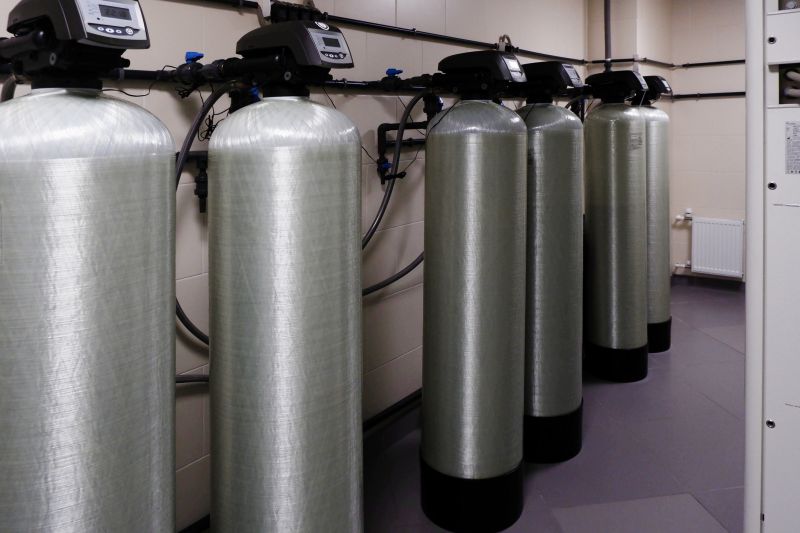
Ways to make Water Treatments work in tight or awkward layouts.
Popular materials for Water Treatments and why they hold up over time.
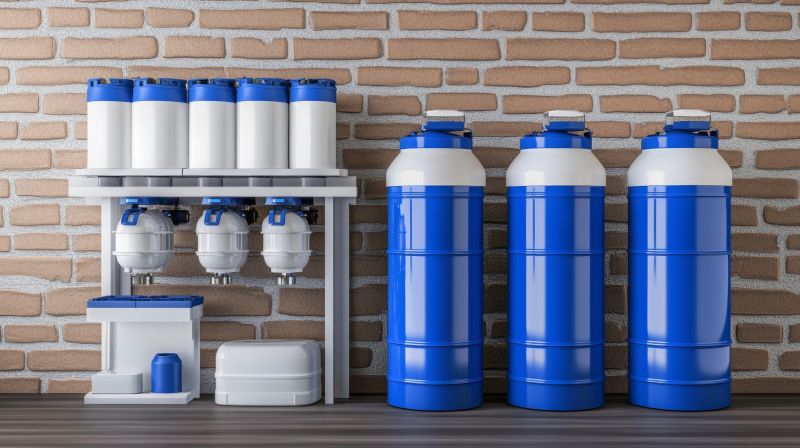
Simple add-ons that improve Water Treatments without blowing the budget.
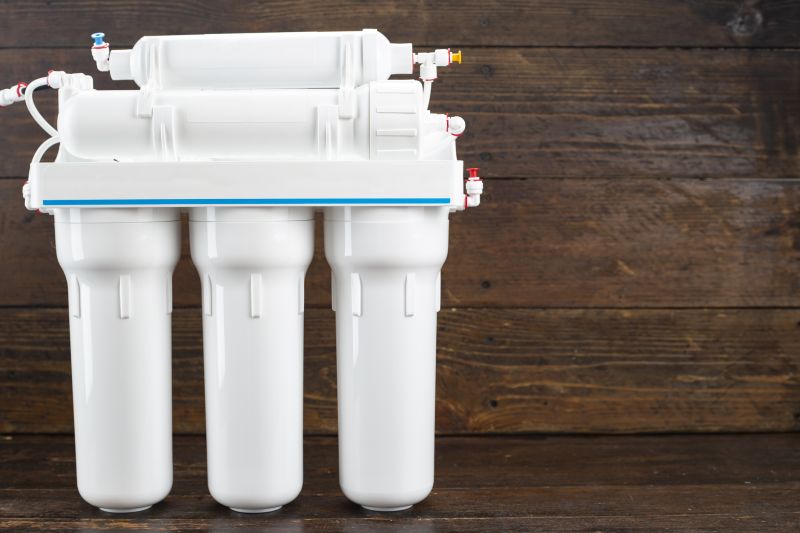
High-end options that actually feel worth it for Water Treatments.
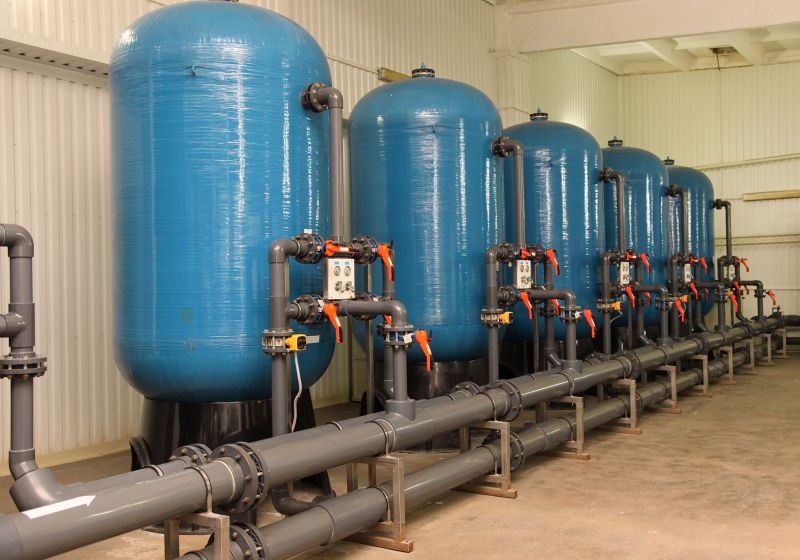
Finishes and colors that play nicely with Water Treatments.

Little measurements that prevent headaches on Water Treatments day.
| Season | Optimal Treatment Timing |
|---|---|
| Spring | Early spring before peak usage |
| Summer | Mid-summer for algae control |
| Fall | Late fall for winter prep |
| Winter | Early winter to prevent freezing damage |
| Routine | Every 3-6 months for maintenance |
Water treatments involve the application of chemicals, filtration, and testing procedures designed to remove contaminants and improve water quality. These treatments are crucial in preventing health issues and ensuring water systems function efficiently. Statistics show that regular water treatments can reduce bacterial presence by over 90 percent and improve taste and clarity significantly.
The effectiveness of water treatments depends on proper timing and adherence to scheduled maintenance. Seasonal adjustments are necessary to address changing water conditions, such as temperature fluctuations and increased usage periods. Properly timed treatments also help extend the lifespan of water infrastructure and reduce long-term repair costs.
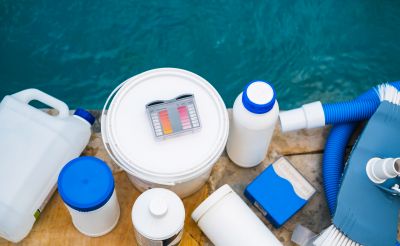
A 60-second routine that keeps Water Treatments looking new.
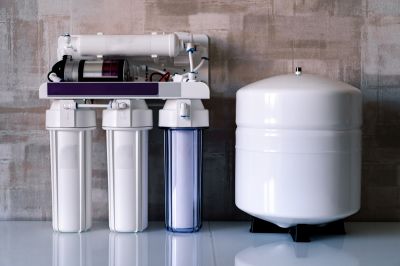
A frequent mistake in Water Treatments and how to dodge it.
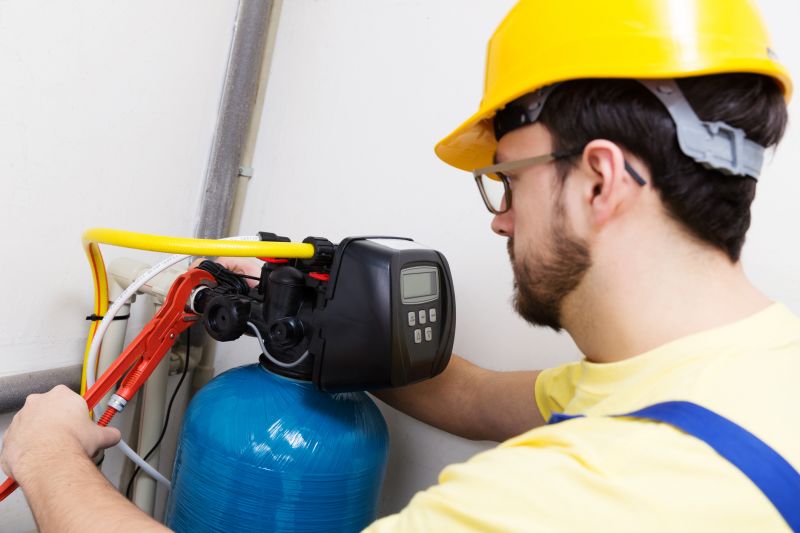
Small tweaks to make Water Treatments safer and easier to use.
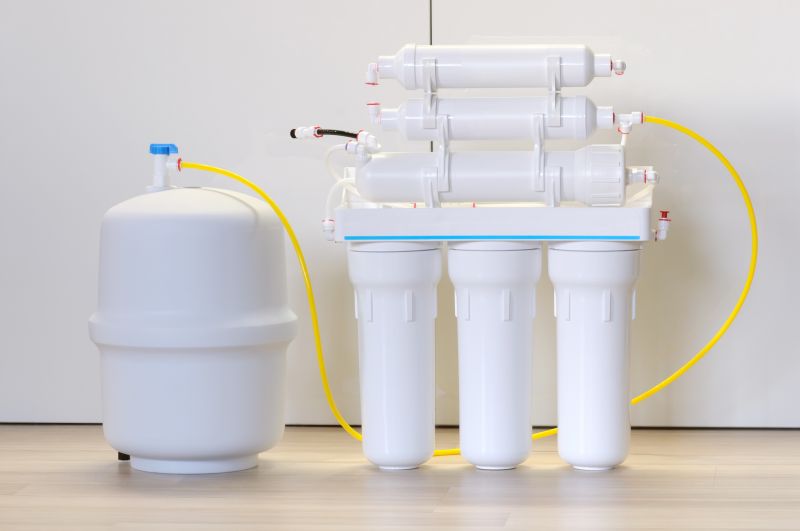
Lower-waste or water-saving choices for Water Treatments.
Interested parties are encouraged to contact for more information regarding scheduling and customizing water treatment plans. Properly timed treatments help maintain water safety, quality, and system efficiency, making it a vital part of water management strategies.